
The evolution of gambling through the ages a historical perspective
The evolution of gambling through the ages a historical perspective
The Origins of Gambling
The roots of gambling can be traced back to ancient civilizations, where evidence suggests that forms of betting and games of chance existed. Archaeological findings reveal that around 3000 BCE in Mesopotamia, people engaged in various games involving dice made from animal bones. These early instances of gambling were often tied to religious practices, with divination and fortune-telling playing a crucial role in how outcomes were perceived. As societies evolved, so did the methods and motivations behind gambling, leading to more organized casino environments. Players looking for a modern twist can explore exciting options at https://crazyluckcasino-uk.com.
In ancient China, the practice of gambling began with the use of tiles that resembled what we now recognize as modern-day lotteries. Historical texts indicate that during the Han Dynasty, around 205-187 BCE, gambling activities were not only recreational but also served as a means to fund government projects. The intersection of gambling with civic duty marked an essential stage in its evolution, underscoring its importance in society.
By the time we reach ancient Rome, gambling had developed into more organized activities, such as betting on gladiatorial contests and chariot races. The Roman Empire institutionalized gambling, leading to the establishment of more structured forms of wagering that spread across Europe. This adaptation reflects the human inclination towards risk-taking, serving both as a source of entertainment and a means of community engagement.
The Medieval Period and Its Influence
During the medieval period, gambling faced scrutiny from various religious institutions, particularly the Catholic Church, which condemned many forms of gaming as sinful. However, this opposition did not eliminate gambling; rather, it transformed how it was practiced. Games like dice and card games gained popularity in private settings as social pastimes, often played among the nobility and wealthy merchant classes. This era saw the evolution of gaming culture as it intertwined with social hierarchies.
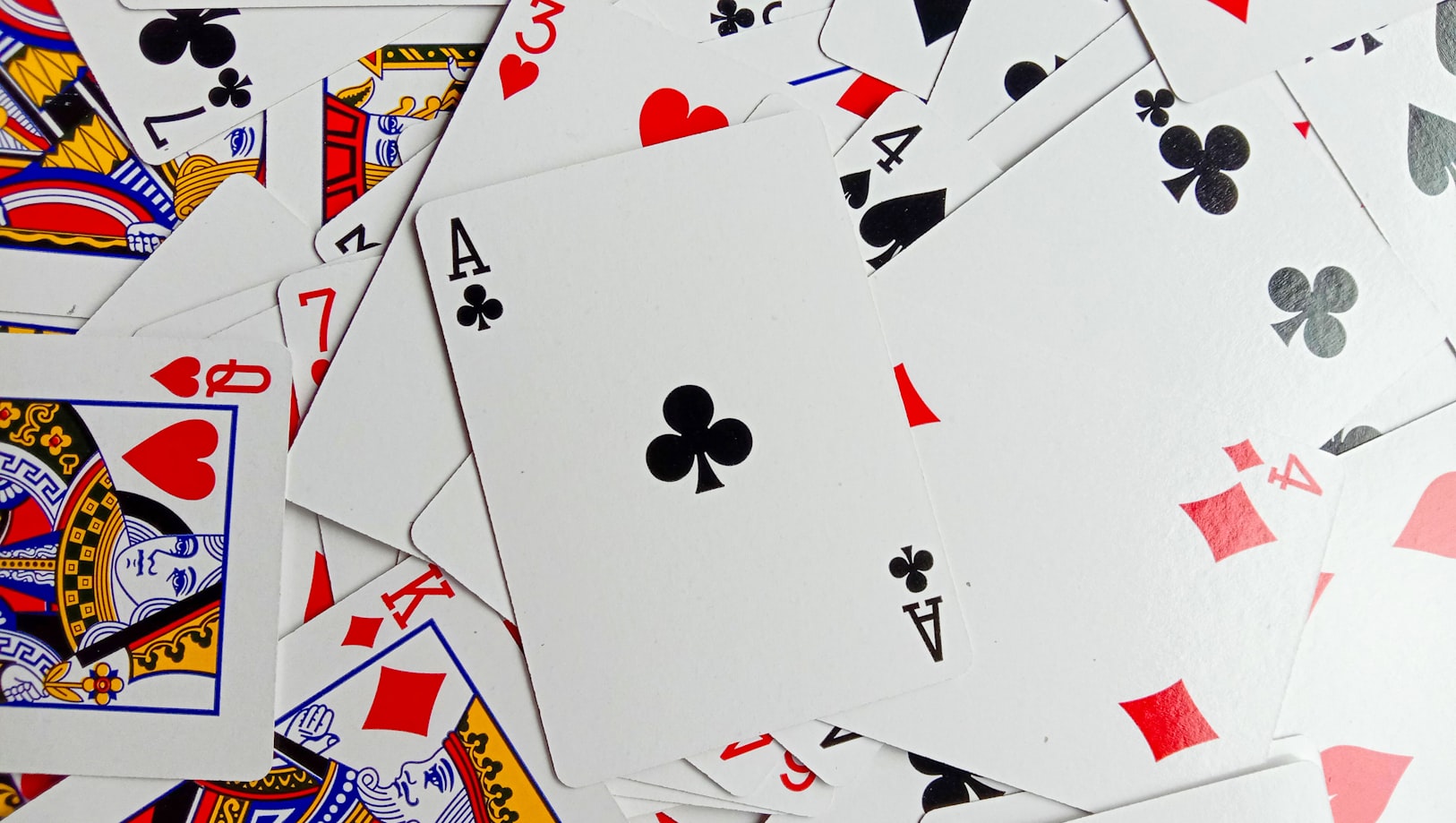
In addition, the introduction of playing cards to Europe from Asia around the 14th century marked a significant milestone in the evolution of gambling. The popularity of card games led to the establishment of betting houses, which were precursors to modern casinos. These establishments provided a controlled environment for gambling activities, further legitimizing the practice and making it more accessible to the general population.
The late medieval period also witnessed the rise of lotteries as a means for governments to raise funds. Notably, the first official lottery in England was established in 1569, featuring the sale of tickets to fund public works. This combination of state involvement and gambling set the stage for future legal frameworks surrounding gambling activities, influencing policies that exist today.
The Birth of Modern Casinos
The late 17th and early 18th centuries marked the advent of modern casinos, particularly in Europe. The Casino di Venezia in Italy, established in 1638, is widely regarded as the first official casino, setting a precedent for gambling establishments worldwide. These venues offered a range of games, from roulette to card games, attracting both the elite and the general populace. The ambiance of casinos evolved into luxurious and extravagant spaces, often adorned with elaborate decor and hosting social gatherings.
With the proliferation of casinos, various gambling games began to develop, each with its own set of rules and strategies. The introduction of games like poker and blackjack became popularized in American culture in the 19th century, contributing to the casino’s evolution as a central hub for social interaction. These games not only offered potential financial gain but also required skill and strategy, further enhancing their allure.
The 20th century saw a significant shift in the gambling landscape with the establishment of Las Vegas as the gambling capital of the world. The legalization of casinos in Nevada in the 1930s initiated a boom in the gambling industry, establishing a model that would be replicated in various forms globally. This shift transformed gambling from a localized pastime into a major economic powerhouse, attracting millions of tourists each year.
The Digital Revolution and Online Gambling
The advent of the internet in the late 20th century marked a pivotal moment in the history of gambling. The first online casinos emerged in the mid-1990s, allowing players to enjoy their favorite games from the comfort of their homes. This transition opened up new opportunities for gambling, making it more accessible than ever before. With just a click, players could engage in a multitude of games, from slots to live dealer experiences, without the need to visit a physical location.
As technology continued to advance, online gambling platforms began to innovate further. Features like mobile compatibility and the introduction of live streaming transformed the way users interacted with games. Today, players can enjoy immersive experiences that replicate the casino atmosphere, complete with real dealers and interactive chat options. The rise of cryptocurrencies has also contributed to the evolution of online gambling, providing secure and anonymous transaction methods.
Regulatory frameworks surrounding online gambling have evolved as well, with many countries implementing laws to govern this burgeoning industry. These regulations aim to protect players while ensuring fair play, as the rise in popularity of online gambling necessitates a robust legal structure. As a result, the industry continues to grow, adapting to technological advancements and changing consumer preferences.

Crazy Luck Casino: The Future of Gambling
Crazy Luck Casino exemplifies the evolution of gambling in the modern age, offering players an exciting online experience with a vast selection of over 2,000 games. As a leading platform in the UK, Crazy Luck Casino has successfully blended traditional gaming with cutting-edge technology, ensuring that users can enjoy both classic and contemporary games. With live dealer options and a variety of slots, it caters to a broad spectrum of preferences.
The site’s commitment to player satisfaction is evident in its generous welcome package and ongoing promotions, including cashback offers and a VIP program. By prioritizing user experience and convenience, Crazy Luck Casino effectively meets the demands of today’s gamers, providing multiple payment methods, including cryptocurrency. This adaptability ensures that it remains competitive in the rapidly evolving gaming landscape.
As the gambling industry continues to grow, Crazy Luck Casino stands as a testament to the rich history and ongoing evolution of this captivating field. With a focus on innovation and player engagement, it represents the future of gambling, bridging the gap between traditional practices and modern advancements.